





Skip to content Skip to sidebar Skip to footer

Destinies in a Name

The Meanings Behind the Bible’s Most Important Figures

In our modern world, we often choose names for our children based on how they sound. But in biblical times, a name was a prophecy, a memorial, or a divine calling. A person’s name was intricately tied to their identity and their God-given destiny.

When God wanted to signify a massive shift in a person’s life, He would often change their name—turning an ordinary person into a patriarch, a matriarch, or a king. Looking at the Hebrew and Greek roots of these central biblical figures reveals the profound narrative of redemption woven throughout Scripture.

1. The First Family

Adam

  • English: Adam
  • Hebrew: Adam (אָדָם) – Meaning Man,” “Mankind,” or “Red earth.” It derives from the word adamah (אֲדָמָה), meaning “ground” or “dirt.”
  • Greek: Adam (Ἀδάμ).
  • The Story: Adam’s name is a constant reminder of our humble origins. God formed the first man from the dust of the adamah (ground) and breathed life into him. To be human is to remember that without the breath of God, we are merely red earth.

Eve

  • English: Eve
  • Hebrew: Chavah (חַוָּה) – Meaning Living” or “Life-giver.
  • Greek: Eua (Εὕα).
  • The Story: Eve was originally simply called “Woman,” but after the Fall, Adam gave her a profound name of faith. Despite the curse of death entering the world, Adam named her Eve, confidently declaring her destiny as “the mother of all the living” (Genesis 3:20).
Adam Eve

2. The Patriarchs and Matriarchs

picture (1)

Abraham

  • English: Abraham
  • Hebrew: Avraham (אַבְרָהָם) – Meaning Father of a multitude.” His original name, Avram (אַבְרָם), meant Exalted father.”
  • Greek: Abraam (Ἀβραάμ).
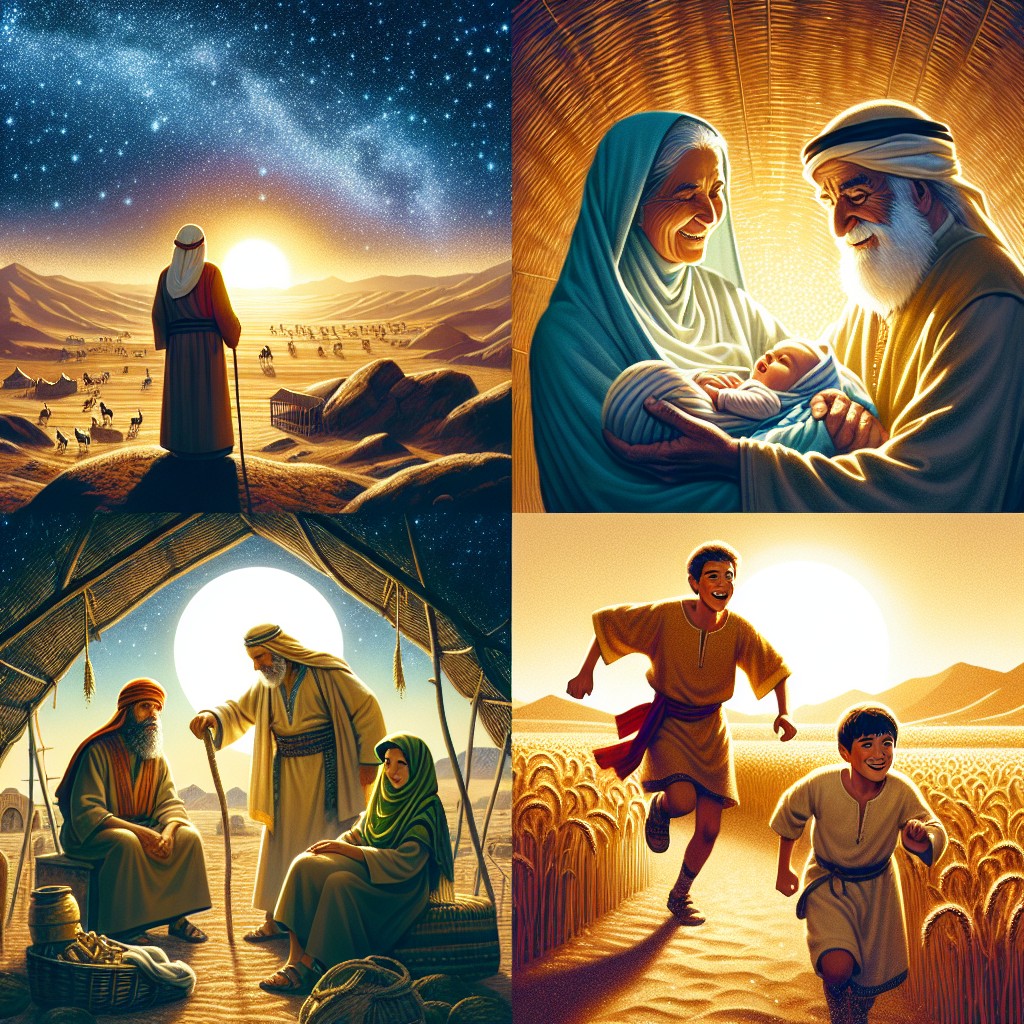
  • The Story: At ninety-nine years old, having no heir, God changed Avram’s name to Avraham. It was a seemingly ridiculous name for a childless older man, but it was a powerful prophetic covenant. Every time someone called his name, they were declaring God’s promise that he would father nations.

Jacob (Israel)

  • English: Jacob / Israel
  • Hebrew: Ya’akov (יַעֲקֹב) – Meaning He grasps the heel” or Supplanter/Deceiver.” God later renamed him Yisrael (יִשְׂרָאֵל) – Meaning God contends” or He wrestles with God.
  • Greek: Iakob (Ἰακώβ) / Israel (Ἰσραήλ).
  • The Story: Jacob lived up to his birth name, deceiving his brother and father to steal the family blessing. But after a literal wrestling match with God at Peniel, his identity was transformed. He was no longer a deceiver; he was Israel, the father of the twelve tribes.

Sarah

  • English: Sarah
  • Hebrew: Sarah (שָׂרָה) – Meaning Princess” or “Noblewoman.” Her original name, Sarai (שָׂרַי), meant My princess” (more localized/possessive).
  • Greek: Sarra (Σάρρα).
  • The Story: Just as God changed Abraham’s name, He changed Sarai to Sarah. Removing the possessive “my” indicated that she was no longer just a princess to her family, but a Princess to the nations, from whose lineage kings and the ultimate King of Kings would come.

Isaac

  • English: Isaac
  • Hebrew: Yitzchak (יִצְחָק) – Meaning He laughs” or “Laughter.
  • Greek: Isaak (Ἰσαάκ).
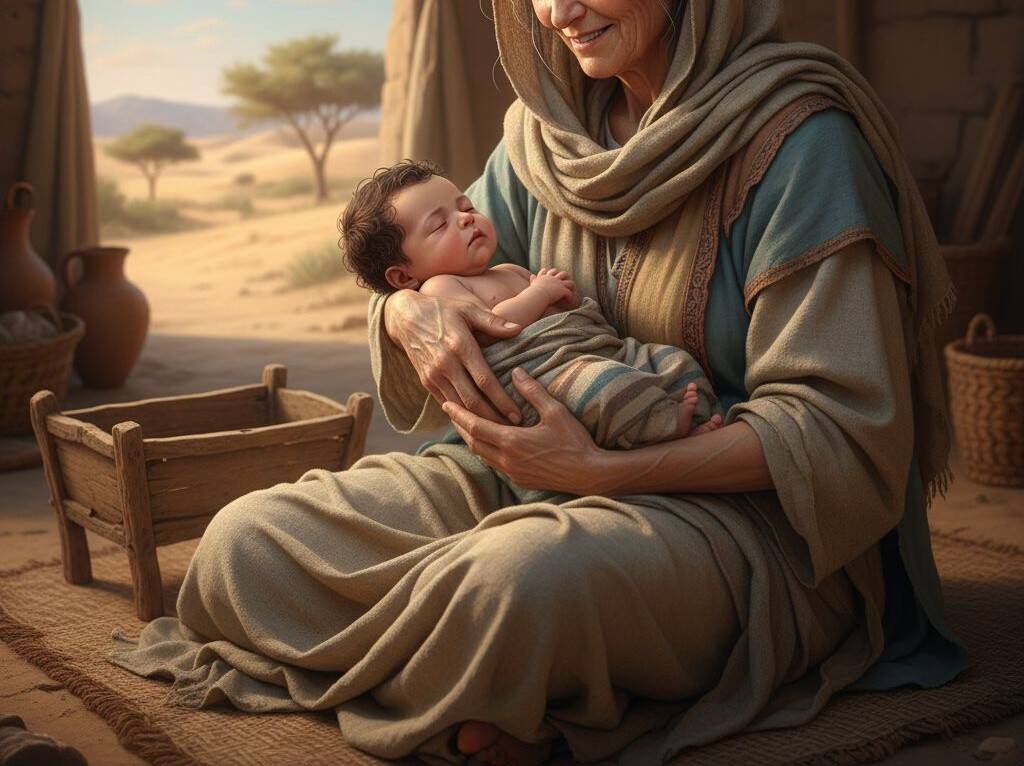
  • The Story: When told she would have a baby in her old age, Sarah laughed in disbelief. When the impossible child was born, God instructed them to name him Yitzchak. What began as the laughter of doubt was transformed by God into the laughter of immense joy.

3. The Kings

David

  • English: David
  • Hebrew: David (דָּוִד) – Meaning Beloved.”
  • Greek: Dauid (Δαυίδ).
  • The Story: The youngest son, overlooked by his own father while tending sheep, was chosen by God to be Israel’s greatest king. Despite his later catastrophic moral failures, David’s repentant heart kept him as the “Beloved” of God, forever known as a “man after God’s own heart.”

Solomon

  • English: Solomon
  • Hebrew: Shlomo (שְׁלֹמֹה) – Derived from shalom (שָׁלוֹם), meaning Peace.
  • Greek: Solomon (Σολομών).
  • The Story: Unlike his father David, who was a man of war and bloodshed, Solomon’s reign was characterized by unprecedented prosperity, wisdom, and peace. Because he was a man of peace, God permitted him to build the glorious First Temple in Jerusalem.

Mary (Mother of Jesus)

  • English: Mary
  • Hebrew/Aramaic: Miryam (מִרְיָם) – The meaning is debated, but it traditionally means Beloved,” “Rebellious,” or Bitter sea” (from the root mar , meaning bitter).
  • Greek: Maria (Μαρία) or Mariam (Μαριάμ).
  • The Story: Originating from Moses’ sister, Miryam was a very common name in the first century. Though her name may hold roots of “bitterness,” this humble Jewish girl was chosen for the sweetest role in history: to carry the Son of God, turning the bitterness of the world into salvation.

Paul

  • English: Paul
  • Hebrew: Shaul (שָׁאוּל) – Meaning Asked for” or “Prayed for” (the same name as King Saul).
  • Greek: Paulos (Παῦλος) – A Roman name meaning Small” or Humble.
  • The Story: Born Saul of Tarsus, a proud and fiercely educated Pharisee, an encounter with the resurrected Christ broke him. As an apostle to the Gentiles, he began using his Roman name, Paul. The name switch perfectly mirrored his spiritual journey: from a self-righteous heavy-hitter to a man who called himself the “least of all the apostles,” willingly becoming small so that Christ could be glorified.

5. The Name Above All Names

Jesus

  • English: Jesus
  • Hebrew/Aramaic: Yeshua (יֵשׁוּעַ) – A shortened form of Yehoshua (Joshua), meaning Yahweh is salvation” or “The Lord saves.”
  • Greek: Iesous (Ἰησοῦς) – The Greek transliteration of Yeshua.
  • The Story: An angel appeared to Joseph in a dream and gave him very specific instructions regarding the naming of Mary’s child: “You are to give him the name Jesus, because he will save his people from their sins” (Matthew 1:21).

In the English language, the name “Jesus” has passed through a linguistic chain (from Hebrew Yeshua , to Greek Iesous , to Latin Iesus , to English Jesus ).

But the meaning has never changed. His name is His mission. He is the ultimate fulfillment of the entire biblical narrative: God Himself coming down to be our salvation.

Conclusion

From Adam (the red earth) to Yeshua (the Lord saves), the names in the Bible tell the complete gospel story. Humanity fell, the Patriarchs wrestled, the kings ruled, the prophets warned, and ultimately, Salvation arrived. Understanding these names bridges the gap between ancient history and our faith today, proving that God knows His people by name, and He authors their destinies perfectly.

Leave a comment

Go to Top
Verified by MonsterInsights