





Skip to content Skip to sidebar Skip to footer

Geography of Grace

The Meanings Behind the Bible’s Most Important Cities

When reading the Bible, it is easy to view the locations simply as points on a map. However, in the ancient Near East, the name of a city was deeply significant. A city’s name often commemorated a divine encounter, reflected the geography of the land, or held a prophetic destiny that would only be realized centuries later.

From the dusty roads of the Patriarchs to the shores of the Sea of Galilee where Jesus ministered, the cities of Israel were stages set for God’s redemptive drama. Let’s explore the Hebrew and Greek meanings behind the most important cities in biblical times, discovering the spiritual truths hidden in their names.

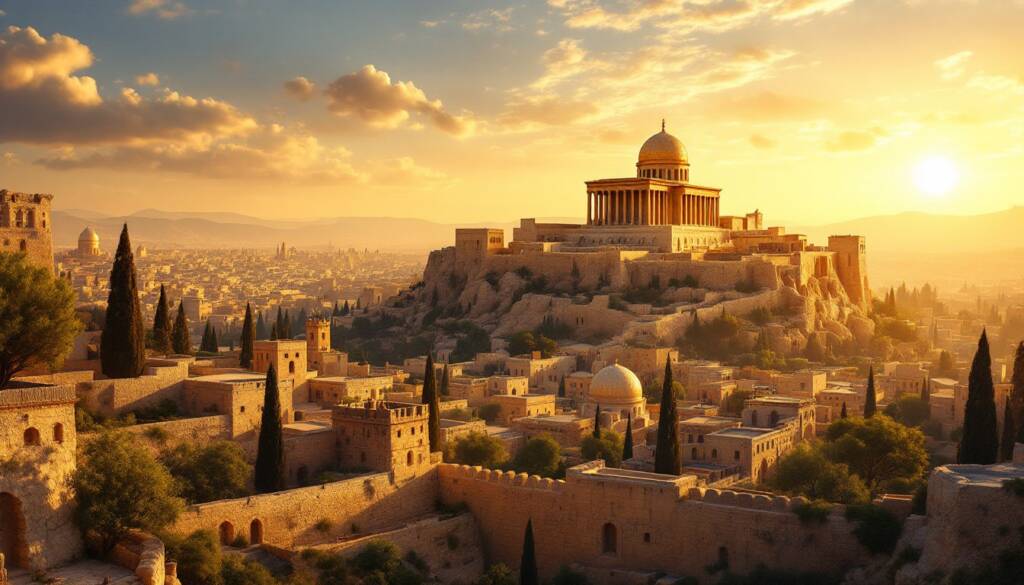
1. Jerusalem

  • English: Jerusalem
  • Hebrew: Yerushalayim (יְרוּשָׁלַיִם) – Generally understood to mean “City of Peace” or “Foundation of Peace” (combining yara , to lay a foundation, and shalom , peace).
  • Greek: Hierousalem (Ἱερουσαλήם).
  • The Story: Jerusalem is the spiritual epicenter of the biblical world. Though its historical reality has often been marked by war and conquest, its name holds a prophetic promise. It was here that King David established his throne, Solomon built the Temple, and ultimately, where Jesus Christ—the Prince of Peace—laid the foundation for our eternal peace through His death and resurrection.

2. Bethlehem

  • English: Bethlehem
  • Hebrew: Beit Lechem (בֵּית לֶחֶם) – Meaning “House of Bread.”
  • Greek: Bethleem (Βηθλέεμ).
  • The Story: A small, humble farming community just south of Jerusalem, Bethlehem was the hometown of King David. Centuries later, its name was perfectly fulfilled when Mary gave birth to Jesus there. It is a stunning display of God’s poetry that the Savior who would later declare, “I am the Bread of Life” (John 6:35), was born in the “House of Bread.”

3. Nazareth

  • English: Nazareth
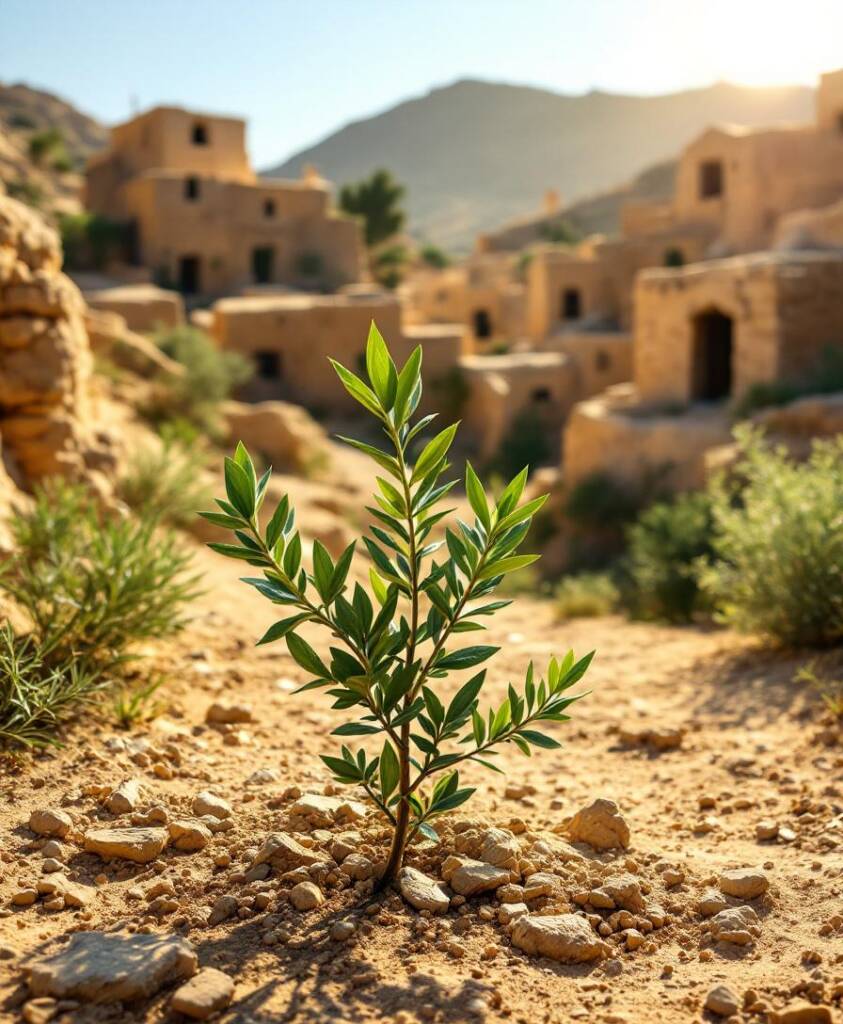
  • Hebrew: Natzeret (נָצְרַת) – Likely derived from the word netzer (נֵצֶר), meaning “Branch” or “Shoot,” though it can also mean “Watchtower.”
  • Greek: Nazaret (Ναζαρέτ).
  • The Story: Nazareth was an obscure, unimpressive village in Galilee—so much so that Nathanael quipped, “Can anything good come from there?” (John 1:46). Yet, the prophets declared that the Messiah would be a “Branch” (netzer ) from the roots of Jesse (Isaiah 11:1). Jesus grew up in this humble town, fulfilling the prophecy both geographically and spiritually as the True Branch.
Capernaum on the beautiful shores of the Sea of Galilee

4. Capernaum

  • English: Capernaum
  • Hebrew: Kfar Nachum (כְּפַר נַחוּם) – Meaning “Village of Comfort” or “Village of Nahum.”
  • Greek: Kapernaoum (Καπερναούμ).
  • The Story: When Jesus faced rejection in His hometown of Nazareth, He relocated His ministry headquarters to Capernaum on the shores of the Sea of Galilee. True to its name, this bustling fishing village became a “Village of Comfort” for many. Here, Jesus healed the sick, cast out demons, and delivered comforting messages of the Kingdom of God.

5. Jericho

  • English: Jericho
  • Hebrew: Yericho (יְרִיחוֹ) – Derived from yareach (moon) or reyach (fragrant), meaning “City of the Moon” or “Fragrant Place.”
  • Greek: Iericho (Ἰεριχώ).
  • The Story: Known as one of the oldest cities in the world and sitting at the lowest elevation on earth, Jericho was a lush oasis (the City of Palms). It was the very first fortified city conquered by Joshua when the Israelites entered the Promised Land. In the New Testament, Jesus brought the fragrance of salvation to this city when He healed blind Bartimaeus and called the tax collector Zacchaeus down from a sycamore tree.

6. Bethel

  • English: Bethel
  • Hebrew: Beit El (בֵּית אֵל) – Meaning “House of God.”
  • Greek: Baithel (Βαιθήλ).
  • The Story: Fleeing from his angry brother Esau, Jacob stopped to sleep in the wilderness using a stone for a pillow. That night, he saw a vision of a ladder reaching to heaven with angels ascending and descending. Moved by the awe of the encounter, he named the place Bethel, declaring, “Surely the Lord is in this place… this is none other than the house of God” (Genesis 28:16-17).

7. Hebron

  • English: Hebron
  • Hebrew: Chevron (חֶבְרוֹן) – Derived from a root word meaning “Friend,” “Alliance,” or “Association.”
  • Greek: Chebron (Χεβρών).
  • The Story: Located in the Judean mountains, Hebron is one of Judaism’s holiest cities. It was the home of Abraham, who was famously called the “Friend of God” (James 2:23). Abraham purchased the Cave of Machpelah here to bury his beloved wife Sarah, making it the resting place of the Patriarchs and Matriarchs. Years later, David would be anointed king in Hebron, solidifying a national alliance.

8. Shechem (Sychar)

  • English: Shechem
  • Hebrew: Shkhem (שְׁכֶם) – Meaning “Shoulder” or “Saddle,” referring to its geographical position between Mount Ebal and Mount Gerizim.
  • Greek: Sychem (Συχέμ), referred to later as Sychar (Συχάρ) in the New Testament.
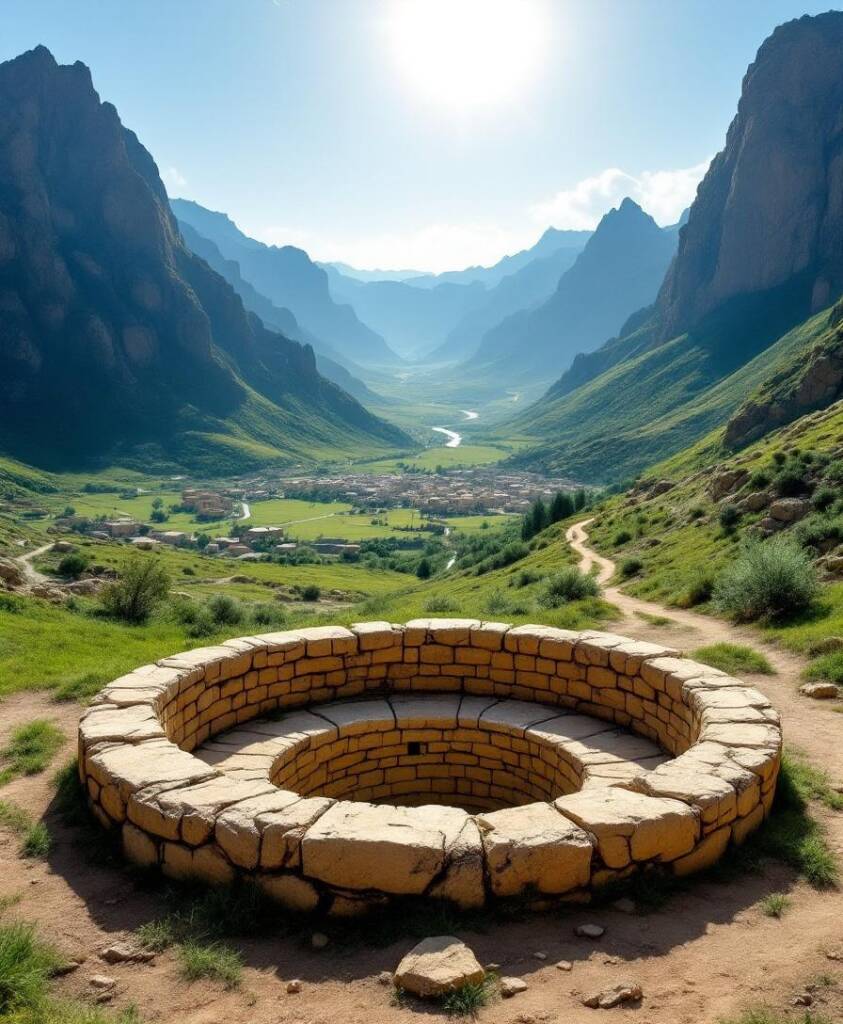
  • The Story: Shechem holds massive historical weight. It is where God first promised the land to Abraham, and where Joseph’s bones were buried. In the New Testament (known then as Sychar in Samaria), it was the location of Jacob’s Well. Here, Jesus “shouldered” the cultural borders of His day to offer living water to the outcast Samaritan woman.

In short

The geography of the Bible is never random. God intricately designed the very map of Israel to declare His gospel. The Messiah was born in the House of Bread , raised as a humble Branch , brought a Village of Comfort to the brokenhearted, and ultimately offered His life in the City of Peace . When we study the ancient names of these cities, the Bible transforms from black-and-white history into a vibrant, living testament of God’s plan for humanity.

Leave a comment

Go to Top
Verified by MonsterInsights