




The Prophets’ Names and Their Meanings in Hebrew, Greek, and English
Throughout biblical history, God has never left His people without a voice. Whenever humanity strayed, God sent prophets—men and women chosen to speak His truth, call out injustice, and point the world toward the coming Messiah.
Just like the Apostles, a prophet’s name was never an accident. In the ancient world, names were prophetic declarations. The very identity of the prophet was intimately tied to the message God gave them to deliver. Often, the Greek names associated with them come from the Septuagint (the ancient Greek translation of the Old Testament) or how they are referenced in the New Testament.
Let’s explore the profound meanings behind the names of God’s messengers, from the deserts of the Exodus to the coming of Christ.
1. The Foundational Prophets
Moses
- English: Moses
- Hebrew: Moshe (מֹשֶׁה) – Meaning “Drawn out” (from the water).
- Greek: Mouses (Μωϋσῆς) – Greek transliteration.
- The Story: Rescued from the Nile River by Pharaoh’s daughter, Moses was literally “drawn out” of the water. Prophetically, God used him to “draw out” the Israelites from the bondage of Egypt. He stands as the foundational prophet of the Old Covenant.
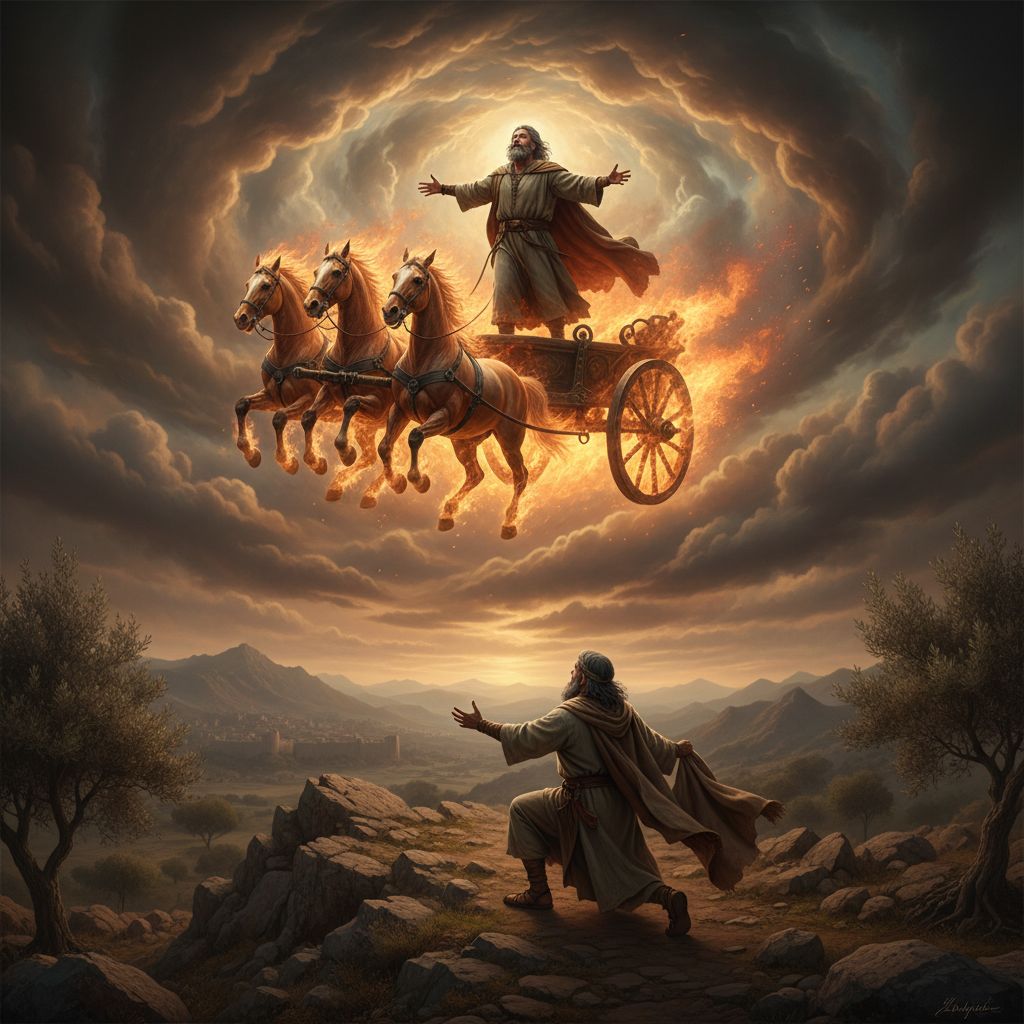
Elijah
- English: Elijah
- Hebrew: Eliyahu (אֵלִיָּהוּ) – Meaning “My God is Yahweh.”
- Greek: Helias (Ἠλίας) – Greek transliteration.
- The Story: Elijah’s ministry was defined by a fierce battle against the idolatry of Baal. His very name was his message to the rebellious nation of Israel. When the fire fell on Mount Carmel, the people literally shouted his name’s meaning: “The Lord, He is God!” (1 Kings 18:39).
Elisha
- English: Elisha
- Hebrew: Elisha (אֱלִישָׁע) – Meaning “God is salvation.”
- Greek: Elisaios (Ἐλισαῖος).
- The Story: Elisha succeeded Elijah, receiving a double portion of his spirit. Elisha’s ministry was filled with miraculous healings, provisions, and resurrections, constantly pointing to a God who steps into human suffering to bring salvation and relief.
2. The Major Prophets
They are called “Major” not because they were more important, but because their books are significantly longer.
Isaiah
- English: Isaiah
- Hebrew: Yeshayahu (יְשַׁעְיָהוּ) – Meaning “Yahweh is salvation.”
- Greek: Esaias (Ἠσαΐας).
- The Story: Isaiah’s name perfectly summarizes his magnificent book. No other Old Testament prophet spoke as clearly about the coming Messiah, the suffering servant who would bring ultimate salvation to the world.
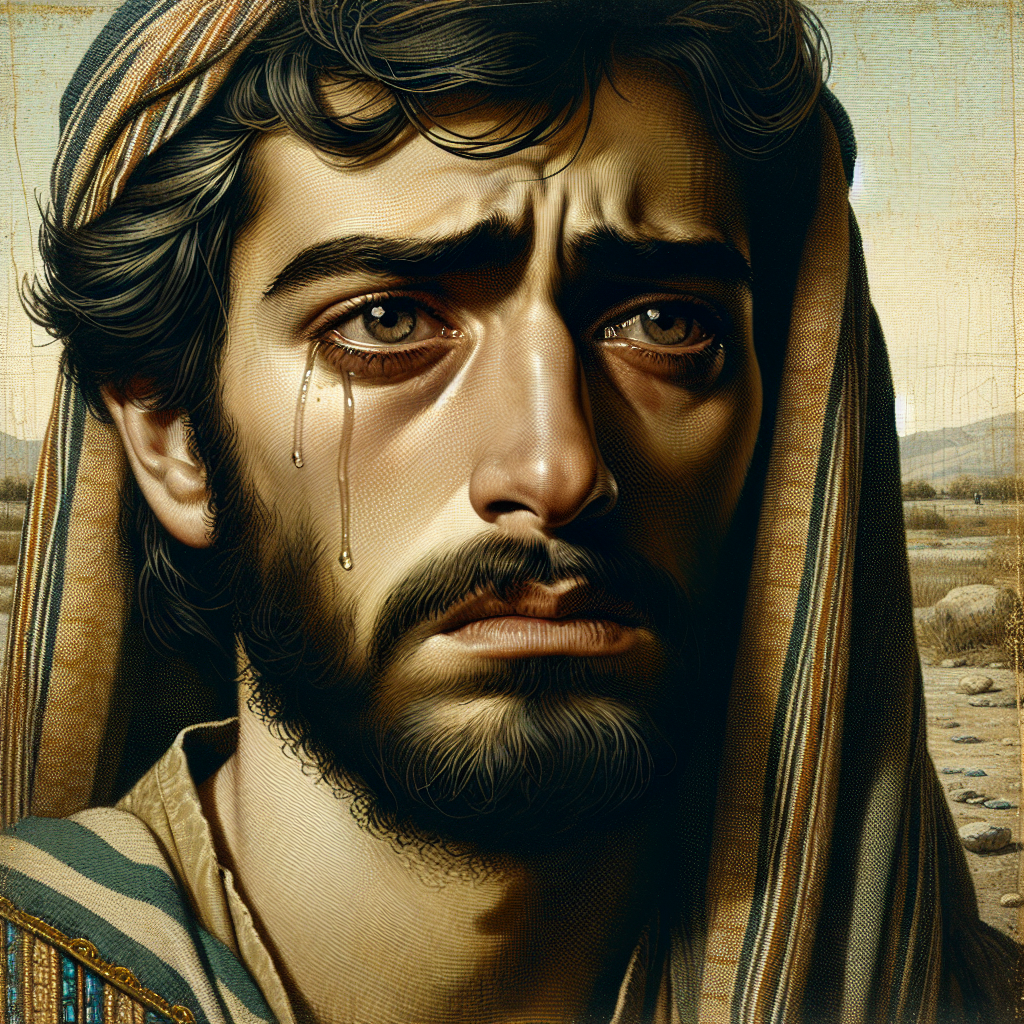
Jeremiah
- English: Jeremiah
- Hebrew: Yirmiyahu (יִרְמְיָהוּ) – Meaning “Yahweh exalts” or “Yahweh appoints.”
- Greek: Hieremias (Ἰερεμίας).
- The Story: Known as the “Weeping Prophet,” Jeremiah had the difficult task of pronouncing judgment on Judah and witnessing the destruction of Jerusalem. Yet, despite his suffering, Yahweh appointed him before he was even formed in the womb (Jeremiah 1:5).
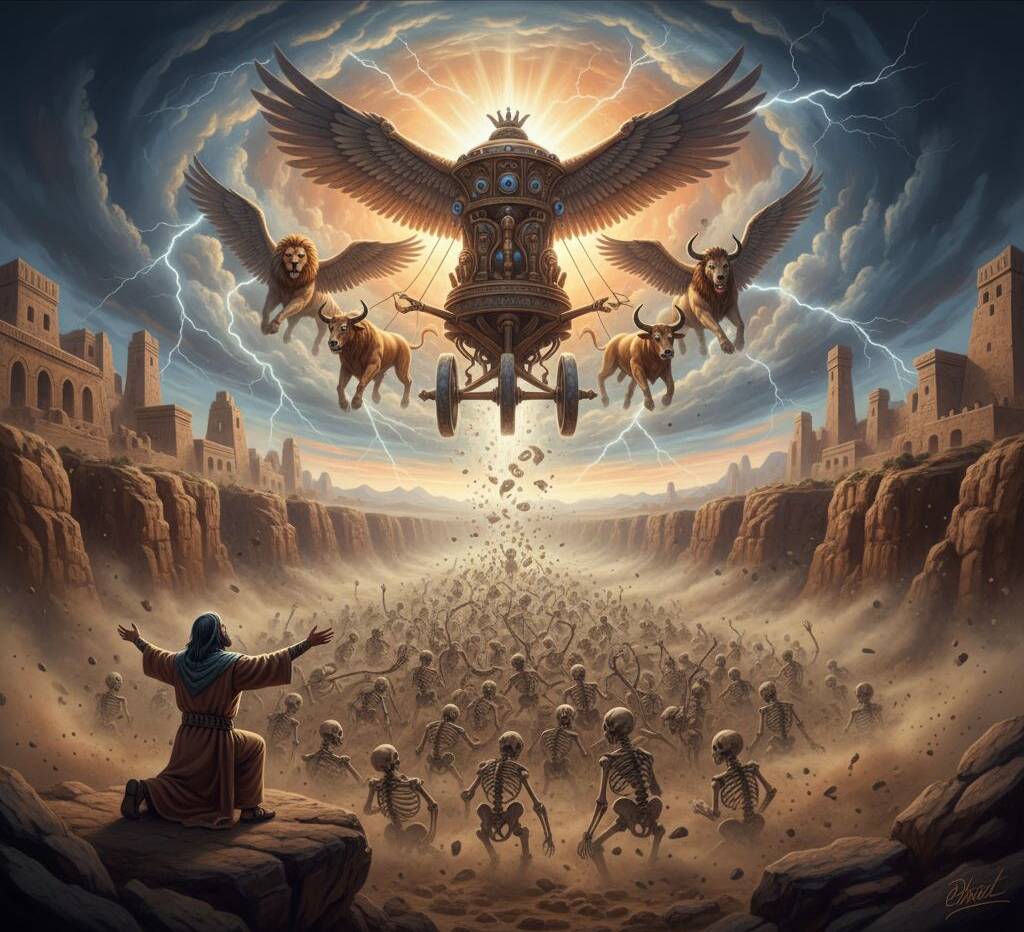
Ezekiel
- English: Ezekiel
- Hebrew: Yechezkel (יְחֶזְקֵאל) – Meaning “God strengthens.”
- Greek: Iezekiel (Ἰεζεκιήλ).
- The Story: Ministering to the Israelites exiled in Babylon, Ezekiel needed immense fortitude to deliver God’s bizarre and vivid prophetic visions. His name reflects the divine strength required to be a watchman for the house of Israel.
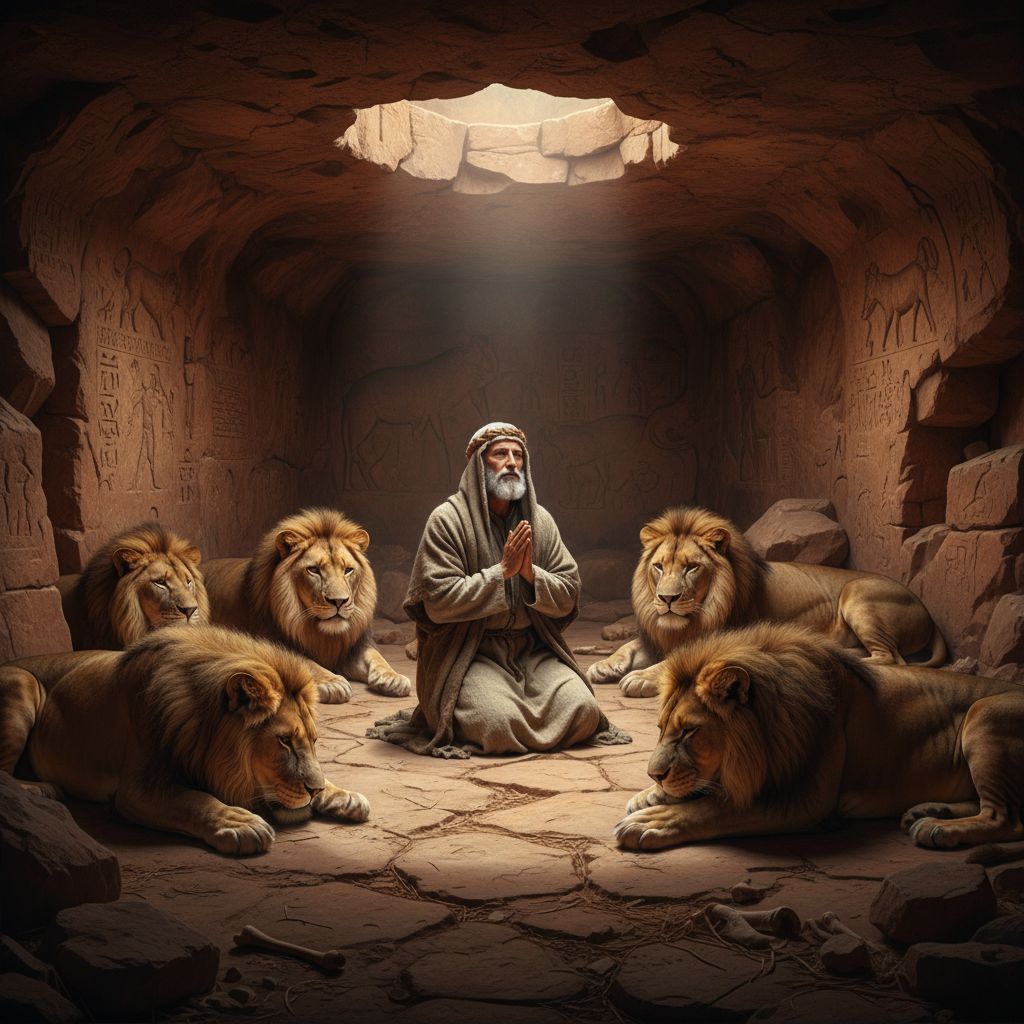
Daniel
- English: Daniel
- Hebrew: Daniyyel (דָּנִיֵּאל) – Meaning “God is my judge.”
- Greek: Daniel (Δανιήλ).
- The Story: Though exiled in Babylon and serving pagan kings, Daniel remained steadfast in his faith. While earthly kings tried to judge and execute him (such as in the lion’s den), his name confidently declared that he answered to a higher courtroom.
3. The Minor Prophets (The Book of the Twelve)
These prophets wrote shorter messages, but their impact was equally monumental.
Hosea
- English: Hosea
- Hebrew: Hoshea (הוֹשֵׁעַ) – Meaning “Salvation.”
- Greek: Osee (Ὡσηέ).
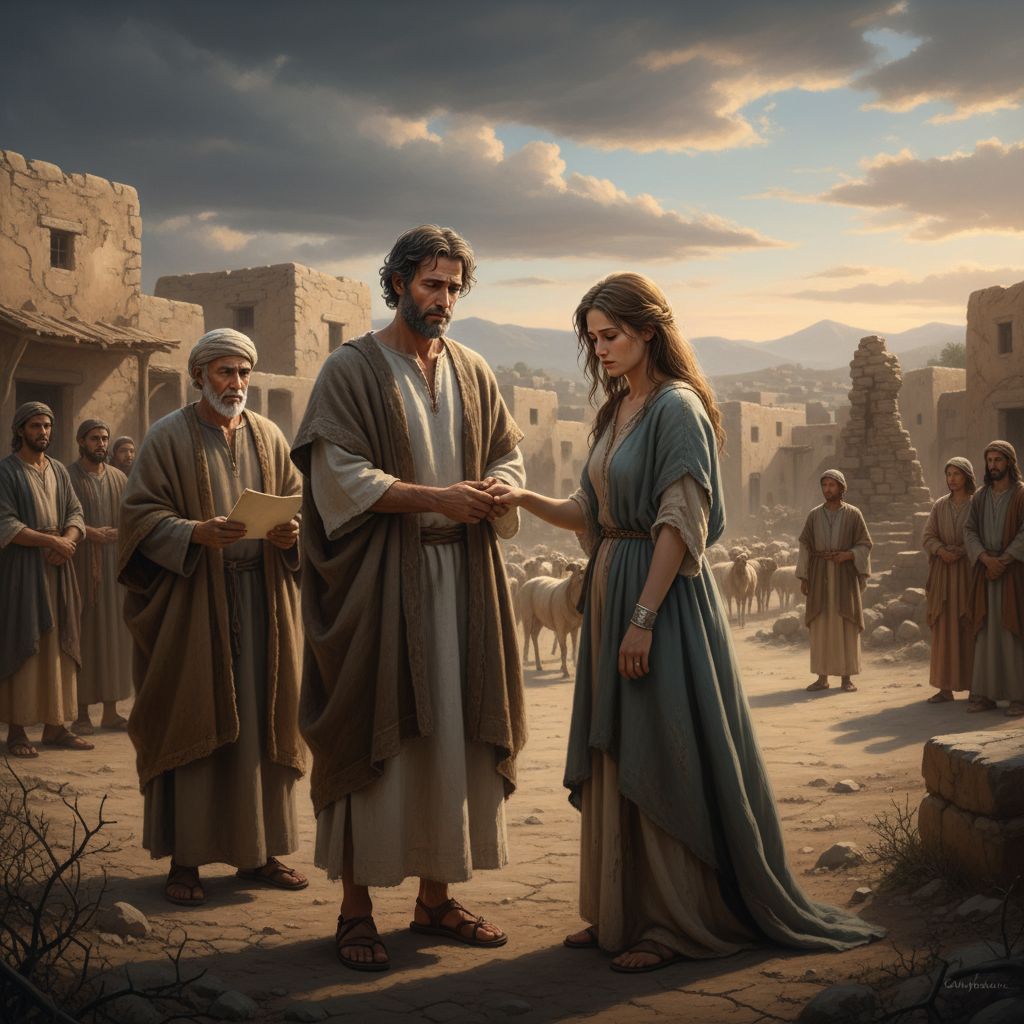
- The Story: God commanded Hosea to marry an unfaithful woman, symbolizing God’s enduring love for spiritually adulterous Israel. His message—and his name—reminded Israel that salvation naturally follows repentance.
Joel
- English: Joel
- Hebrew: Yoel (יוֹאֵל) – Meaning “Yahweh is God.”
- Greek: Ioel (Ἰωήλ).
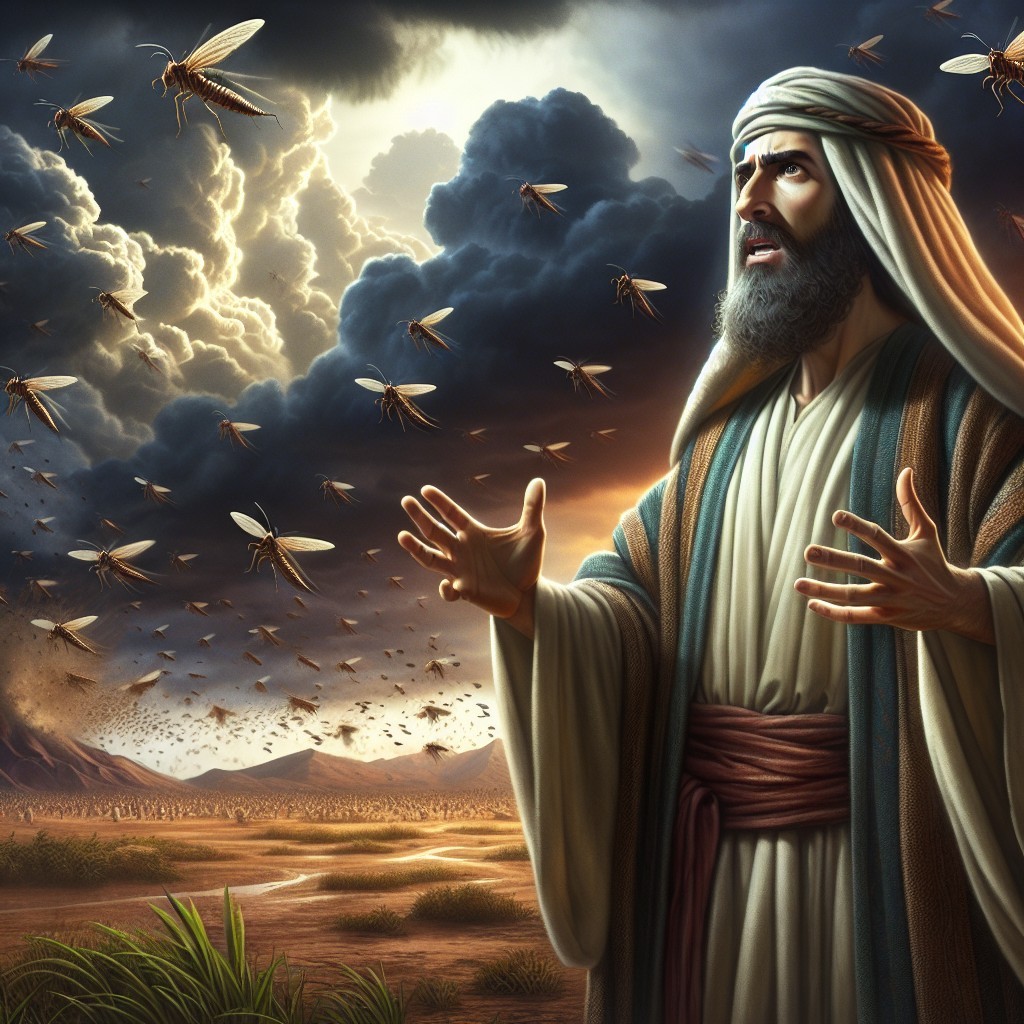
- The Story: Joel prophesied about the devastating locust plague and the coming “Day of the Lord.” His name is a mirror image of Elijah’s, boldly reminding the people of who is truly in charge.
Obadiah
- English: Obadiah
- Hebrew: Ovadyah (עֹבַדְיָה) – Meaning “Servant of Yahweh” or “Worshiper of Yahweh.”
- Greek: Abdias (Ἀβδιού).
- The Story: Writing the shortest book in the Old Testament, this prophet declared doom upon the nation of Edom. True to his name, he humbly served as a vessel for God’s message, telling us nothing about his personal life.
Amos
- English: Amos
- Hebrew: Amos (עָמוֹס) – Meaning “Burden-bearer” or “Carried.”
- Greek: Amos (Ἀμώς).
- The Story: A simple shepherd and fig-tree farmer, Amos was burdened with a heavy message against the wealthy elite of his day, crying out for justice to “roll down like waters.”
Jonah
- English: Jonah
- Hebrew: Yonah (יוֹנָה) – Meaning “Dove.”
- Greek: Ionas (Ἰωνᾶς).
- The Story: The dove is often associated with peace. Ironically, this grumpy prophet lacked peace and fled from God’s call to Nineveh. Yet, his eventual preaching brought unimaginable peace and repentance to an entire enemy city.
Micah
- English: Micah
- Hebrew: Mikhah (מִיכָה) – Meaning “Who is like Yahweh?”
- Greek: Michaias (Μιχαίας).
- The Story: Micah prophesied that the Messiah would be born in Bethlehem. His name asks a rhetorical question that his book answers: Who is like God? No one. He is unparalleled in both His fierce justice and His pardon of sin.
Zephaniah
- English: Zephaniah
- Hebrew: Tzefanyah (צְפַנְיָה) – Meaning “Yahweh has hidden” or “Yahweh protects.”
- Greek: Sophonias (Σοφονίας).
- The Story: He prophesied during the dark days just before King Josiah’s reforms. His name hints at safety—promising that God will hide and protect a faithful remnant during the coming judgment.
Nahum
- English: Nahum
- Hebrew: Nachum (נַחוּם) – Meaning “Comfort” or “Consolation.”
- Greek: Naoum (Ναούμ).
- The Story: Nahum’s book prophesies the destruction of Nineveh (the cruel oppressors of Israel). To the Assyrians, it was doom; but to Israel, Nahum’s message was exactly what his name promised: comfort.
Habakkuk
- English: Habakkuk
- Hebrew: Chavakuk (חֲבַקּוּק) – Meaning “Embrace” or “One who wrestles.”
- Greek: Ambakoum (Ἀμβακούμ).
- The Story: Habakkuk literally wrestles with God in his book, asking tough questions about why evil goes unpunished. Ultimately, he learns to securely embrace God’s sovereign plan, even when it is hard to understand.
Zechariah
- English: Zechariah
- Hebrew: Zekharyah (זְכַרְיָה) – Meaning “Yahweh remembers.”
- Greek: Zacharias (Ζαχαρίας).
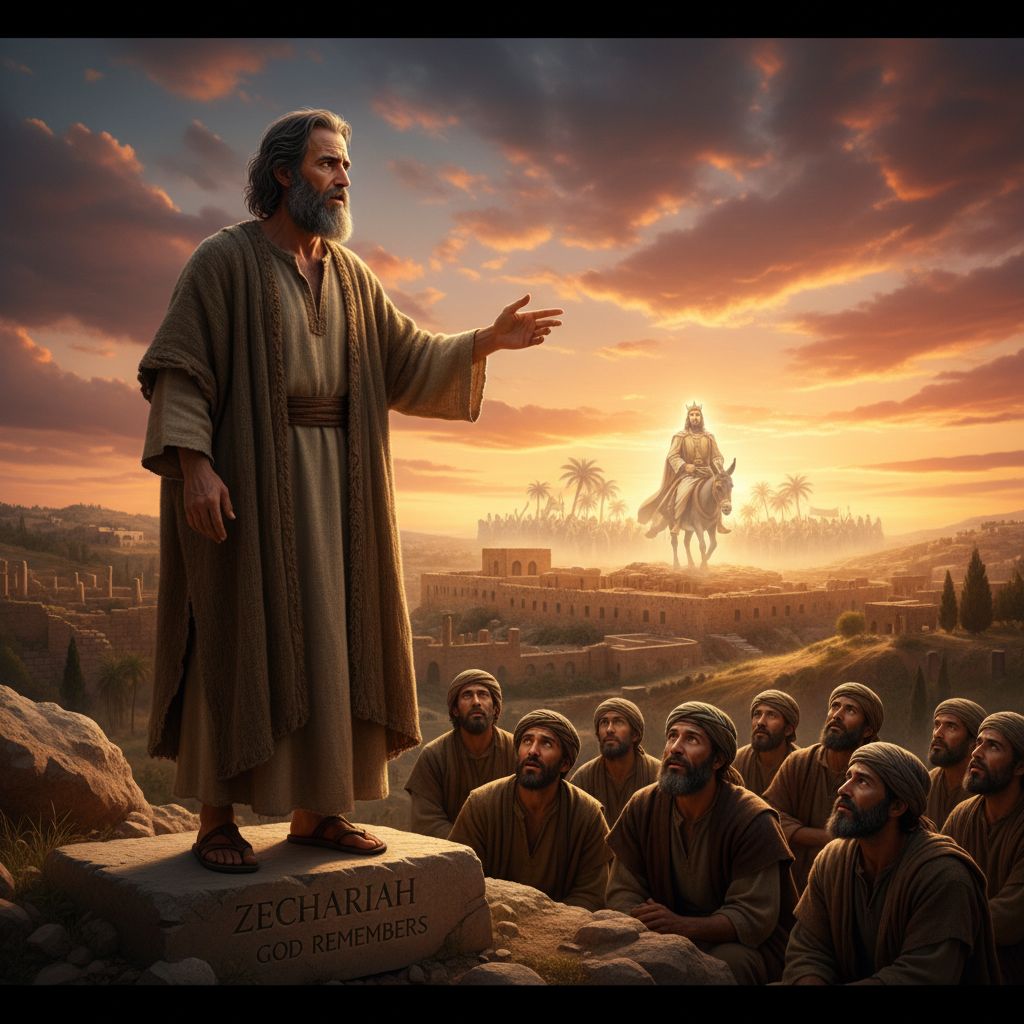
- The Story: Ministering alongside Haggai, Zechariah gave the people incredible visions of the future, including the Messiah riding into Jerusalem on a donkey. His name assured the discouraged exiles that God had not forgotten His covenant with them.
Haggai
- English: Haggai
- Hebrew: Chaggai (חַגַּי) – Meaning “Festive” or “Born on a festival.”
- Greek: Angaios (Ἀγγαῖος).
- The Story: Haggai encouraged the Israelites to rebuild the ruined Temple in Jerusalem after the exile. His name points to the joy and festivals that would return once God’s house was restored.
Malachi
- English: Malachi
- Hebrew: Malakhi (מַלְאָכִי) – Meaning “My messenger.”
- Greek: Malachias (Μαλαχίας – translated in the Septuagint as “His messenger”).
- The Story: As the final prophet of the Old Testament, Malachi chastised the priests for casual worship and prophesied that a “messenger” (referring to John the Baptist) would come to prepare the way for the Lord. After Malachi, Israel would not hear a prophetic voice for 400 years.
4. The Final Prophet
John the Baptist
- English: John
- Hebrew: Yochanan (יוֹחָנָן) – Meaning “Yahweh is gracious.”
- Greek: Ioannes (Ἰωάννης).
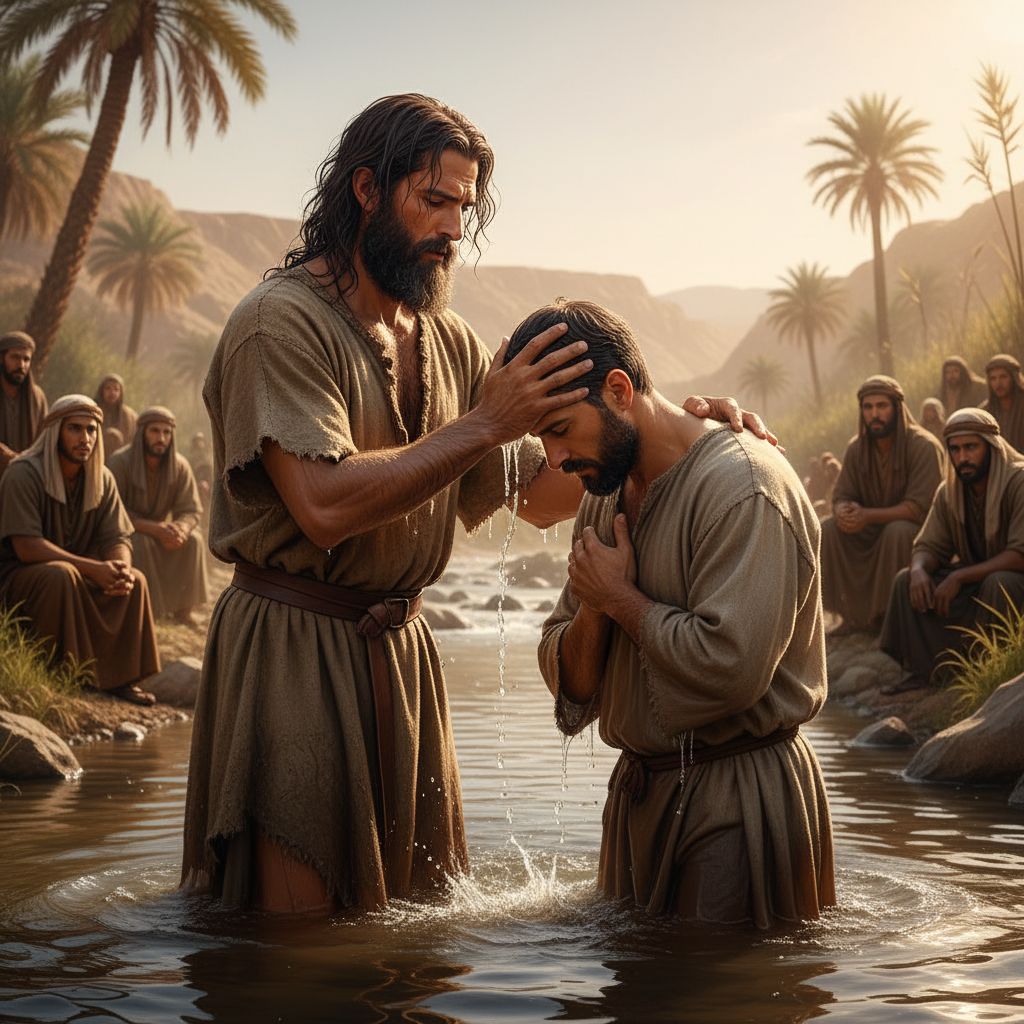
- The Story: Breaking 400 years of silence, John emerged in the wilderness to prepare the way for Jesus. Jesus called him the greatest of the prophets (Luke 7:28). His very name declared exactly what was about to step onto the shores of the Jordan River: the ultimate grace of God in the person of Jesus Christ.
In short
From Moses drawing Israel out of water to John baptizing the Savior in water, the prophets formed an unbroken chain of divine revelation. When we read their names—Yahweh remembers, God is my judge, Comfort, Salvation —we are not just reading ancient history. We are reading the very character of God.
Through human vessels, God meticulously spelled out His plan of redemption, ensuring that their names echoed their timeless messages for generations to come.